Photo via Google.
Council tax bills in Buckinghamshire are proposed to rise by 4.99 per cent as the cabinet considers looks at how to balance its books over the next several years.
This is part of its draft medium-term financial plan covering 2026-27 to 2028-29, and capital programme (money for larger projects) for 2026-27 to 2029-30.
Under the proposals, the average band D council tax charge would increase by 4.99 per cent in 2026/27. For a typical band D household, this would mean paying an extra £1.86 a week.
Cabinet papers describe a ‘extremely challenging’ financial outlook, driven by rising demand for services and major changes to how councils are funded by central government.
Buckinghamshire Council expects to lose £44.4million in government funding by 2028/29 as a result of the Fair Funding Review 2.0 (FFR), which redistributes money to more deprived areas and away from Bucks, due to the ‘relative size of its council tax base’.
This is despite the cost pressures Bucks faces, such as local house prices, labour costs and rurality, says the report.
Being largely rural creates pressures on adult social care – carers may need to travel longer distances – and home-to-school transport for SEND pupils, with longer and more complex journeys.
It also impacts waste collection, via longer collection rounds, and highways maintenance as there are more minor roads to maintain.
Cabinet papers note that the council faces additional pressures from national policy changes, including higher housing targets. Buckinghamshire’s target has increased by 43 per cent, up to 95,500 homes.
But, say the papers, there is no additional specific infrastructure funding that automatically comes with that higher target, such as funding for roads, schools, health facilities, etc.
As in the Royal Borough, much of the pressure on the budget comes from adult and children’s social care, special educational needs and school transport.
Council tax in Bucks includes a precept for adult social care of 2 per cent and the report says the extra council tax money from this is being used entirely to help cover rising costs.
But this does not cover the full increase on its own. The growth pressure is £16.6million and the precept raises £9.1million.
Alongside the revenue budget, the draft papers set out a capital programme totalling around £628million over four years. Of this, £46.8million is earmarked for waste services, primarily a new household recycling centre and replacement refuse collection vehicles.
Transport is another major area of investment, with £218million allocated over four years, including a continuing £120milllion spend on highways.
This includes bridge repairs (£22million), drainage (£9million), footways (£11million), street lighting (£5million), road safety measures (£10million) and bus infrastructure improvements (£12million).
Bucks council says increased capital investment in highways will also allow it to reduce long-term day-to-day costs.
The capital programme also includes funding for primary and secondary schools (£108million), additional special educational needs provision (£49.7million), housing and homelessness projects (£28.1million), and climate change / flood management schemes (£11.6million).
As a result of the Government funding review, increasing demand for services and other economic factors, the council found a budget gap of £109million over three years – which its proposals, including council tax increases, seek to close.
The draft medium-term financial plan and capital programme are expected to be scrutinised by councillors before final budget proposals are brought forward for approval later in the year.
Most read
Top Articles
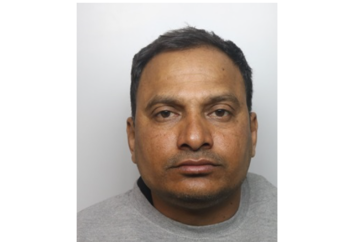
A Slough man has been jailed for exposing himself at people's addresses in Maidenhead, Slough and Windsor.
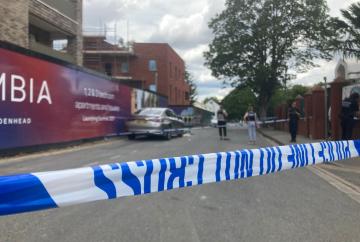
The police cordon in place following the stabbing Holmanleaze Road in 2025.
Shahzad was arrested on suspicion of attempted murder but later charged with grievous bodily harm over the broad daylight attack outside the gates of the mosque in 2025.

Six restaurants across East Berkshire and South Bucks have once again retained Michelin stars in the newly published Michelin Guide.
© Copyright 2024 Baylis Community Media CIC All right reserved