02:56PM, Friday 20 March 2026

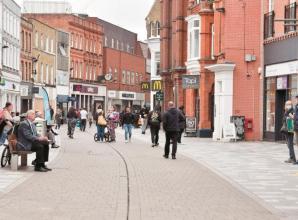
Stock image of Maidenhead High Street.
Maidenhead voters who turned out at a referendum yesterday have given an ‘overwhelming’ yes to a key planning document for the town.
The Maidenhead Neighbourhood Plan 2026-2039 will be given weight when planning decisions are made in the town, giving councillors stronger grounds to refuse schemes that go against it.
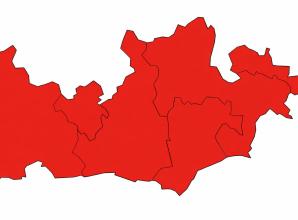
It will cover the seven unparished areas in Maidenhead: Boyn Hill, Oldfield, Pinkneys Green, Riverside, St Mary’s, Belmont and Furze Platt.
Residents took to the polls yesterday (Thursday) to vote in the local referendum for the Maidenhead Neighbourhood Plan.
It asked: “Do you want the Royal Borough of Windsor and Maidenhead to use the Neighbourhood Plan for Maidenhead to help it decide planning applications in the neighbourhood area?”
Turnout was just 13.2 per cent, but the final count showed 4,576 voted yes, with 470 no votes.
This excludes those votes that were rejected because of incorrectly marked ballot papers. There were 19 of these.
There were 5,065 ballot papers counted in total, and residents were given the chance to either vote by post, proxy or in person at polling stations.
The neighbourhood plan was put together by the Maidenhead Neighbourhood Forum, and an independent examiner then assessed the draft.
More from the Maidenhead Advertiser
It includes policies on housing mix, biodiversity, design, built heritage, climate and travel to guide future developments.
Speaking to the Local Democracy Reporting Service (LDRS), Andrew Ingram, one of the co-chairs of the Maidenhead Neighbourhood Forum, said ‘it’s an overwhelming margin’.
Mr Ingram said: “Maidenhead has said yes to the local plan, so it will be adopted.
“Although it’s worth saying 470 people obviously had something they disagreed with in the plan and I think it’s probably worth the Royal Borough finding out what those people do or didn’t like about the plan.
“Those are people who are engaged enough to go and vote on it. So, you know, they’ll have points of view that [are] worth listening to, I suspect.”
He explained this is a ‘third layer’ of planning policy because there is a national planning policy and the Borough Local Plan (BLP) that will work alongside it.
The next time someone wants to build something in Maidenhead they will have to check it is ‘harmonious’ with Maidenhead’s neighbourhood plan and the other already existing policies, Mr Ingram added.
When it comes to the housing mix in Maidenhead, the council has to meet a target for the number of homes and apartments needed in the borough.
RBWM has not met this target yet, so significant weight is given to residential developments in planning decisions – the tilted balance.
The Maidenhead Neighbourhood Plan can’t remove this tilted balance, but it focuses on the affordability of homes and the balance between flats and houses.
When it comes to protecting the environment other policies already ask that developers restore nature by bringing a 10 per cent biodiversity net gain.
But the Maidenhead Neighbourhood Plan adds to that – and asks that biodiversity net gain needs to be planned within the borough.
Most read

Archive image of St George’s School in Ascot (Google)
Top Articles
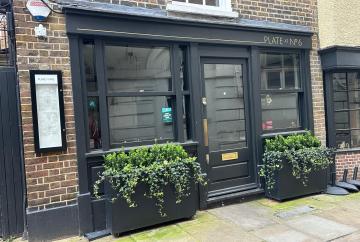
Image: Plate at No.6
A Royal Borough councillor said there was ‘a lot of dishonesty going on’ at a Windsor restaurant after a Home Office immigration enforcement investigation found three illegal workers were hired there.
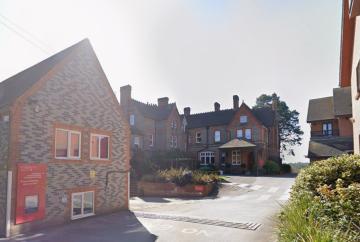
Archive image of St George’s School in Ascot (Google)
A former head of year at an Ascot private boarding school has been banned from the teaching profession after she was convicted of sexual activity with a child.
A teenage boy has been found dead at the historic Eton College.
© Copyright 2024 Baylis Community Media CIC All right reserved