Domestic abuse survivors are reluctant to contact emergency services due to data breach fears – and ‘every security measure’ is needed to protect them, Citizens Advice says.
Citizens Advice East Berkshire (CAEB) says more people than ever are concerned about how their data is being used, including domestic abuse survivors, whose privacy is crucial.
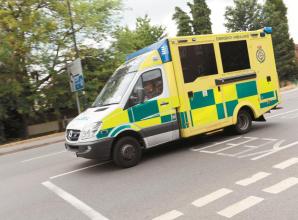
The comment comes off the back of a recent report showing that about 460 data breaches were recorded at South Central Ambulance Service (SCAS) in three years.
Any data breaches raise important questions about patient safety; digital failures can have consequences on emergency care, the NHS has stressed.
Ambulance trusts routinely process highly sensitive personal data, such as details shared during emergency calls and clinical observations made at the scene.
The Government has noted a rise in ‘human error’ data breaches in recent years, including releasing sensitive information to the wrong recipient via email.
This month, results of FOI requests sent to SCAS NHS Trust by legal firm Data Breach Claims UK showed the number of data breaches per year, spanning 2022-2025.
Each of the three years saw between 140 and 170 incidents.
Of the 145 data breaches last year (2024-25), about a sixth of the cases were times when sensitive or confidential information was sent to the wrong person, address or email address.
Some examples of SCAS data breaches include clinical notes accidentally linked to the wrong patient, and a transport request mixing up two patients with the same surname.
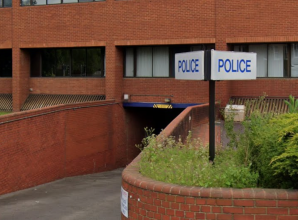
There were also cases of other NHS organisations, care homes, and police sharing unnecessary or incorrect patient details with SCAS staff.
The Information Commission – the independent regulator for data protection – notes that domestic abuse survivors are especially vulnerable when it comes to data breaches.
A report by Citizens Advice in 2020 found that 71 per cent of people who had their new address disclosed by an agency said their safety was compromised as a result.
This has serious real-world consequences; more than half of people leaving an abusive home said they ‘avoided engaging with essential services’ as they ‘didn’t feel comfortable sharing their address. ’
Claire Oughton, head of advice at Citizens Advice East Berkshire, said: “It’s so important [that] every security measure should be put in place to protect valuable data.
“We see many clients who are fleeing domestic abuse and the risks to them are significant if their data is inadvertently released. ”
More and more CAEB clients want help learning how to send organisations official requests to find out what information is being held about them – and how it is being used.
More than a quarter of SCAS data breach incidents in the past three years were times when ‘incorrect information’ was given.
Healthwatch, the independent champion for people using health services, says accurate information about patients is ‘essential’.
Inaccurate NHS reports can ‘in extreme cases, result in serious harm or even death. ’
The Information Commission has been known to reprimand NHS trusts over failures to keep personal data accurate.
A spokesman for SCAS said the service reviews all data breaches to look for trends and discovered none in the latest statistics that flagged a patient safety concern.
Accidental data breaches happen in all organisations, the spokesman said, but the service is ‘confident’ that its staff ‘take confidentiality seriously. ’
Most read
The King and Castle. Image: Google Maps
Top Articles
A teenage boy has been found dead at the historic Eton College.
Archive image of St George’s School in Ascot (Google)
A former head of year at an Ascot private boarding school has been banned from the teaching profession after she was convicted of sexual activity with a child.

Image: Plate at No.6
A Royal Borough councillor said there was ‘a lot of dishonesty going on’ at a Windsor restaurant after a Home Office immigration enforcement investigation found three illegal workers were hired there.
© Copyright 2024 Baylis Community Media CIC All right reserved